Your menu, read in the language of the table
Guests switch language on the menu itself. Twenty-nine languages, translated for the trade rather than word for word — and you keep the final say.
What an untranslated menu really costs
A table of four sits down in July. They read three lines, understand two, and order the dish whose name they recognise. Not the one they wanted, and rarely the one you are proudest of. Nobody complains — they simply order small and leave early.
The alternative most houses fall back on is a second printed menu in English, laid out once and then never touched again. Two months later the prices no longer match the French one, and the waiter spends the service apologising for a sheet of paper.
The point of restaurant menu translation is not to look international. It is that the guest reads the dish you actually cook, in words that make them want it.
Twenty-nine languages, on the same code
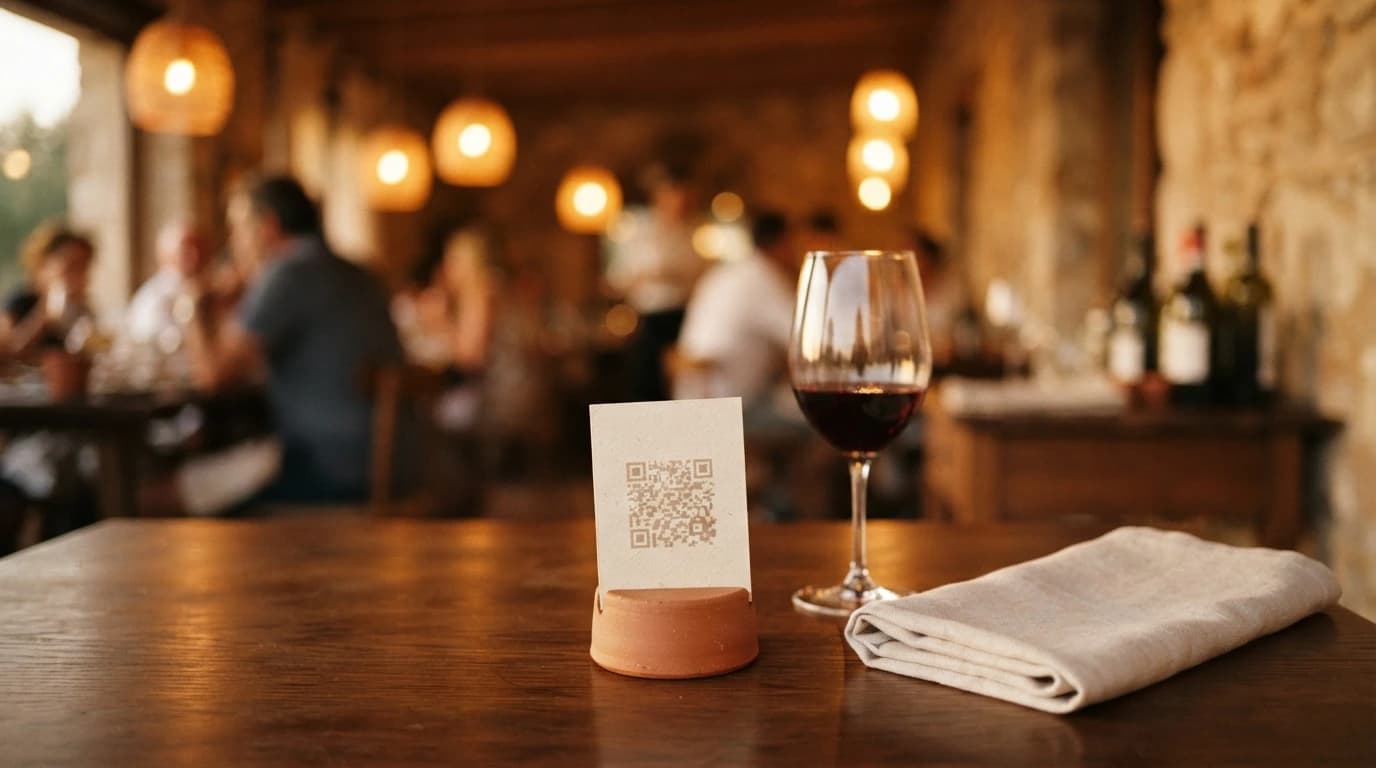
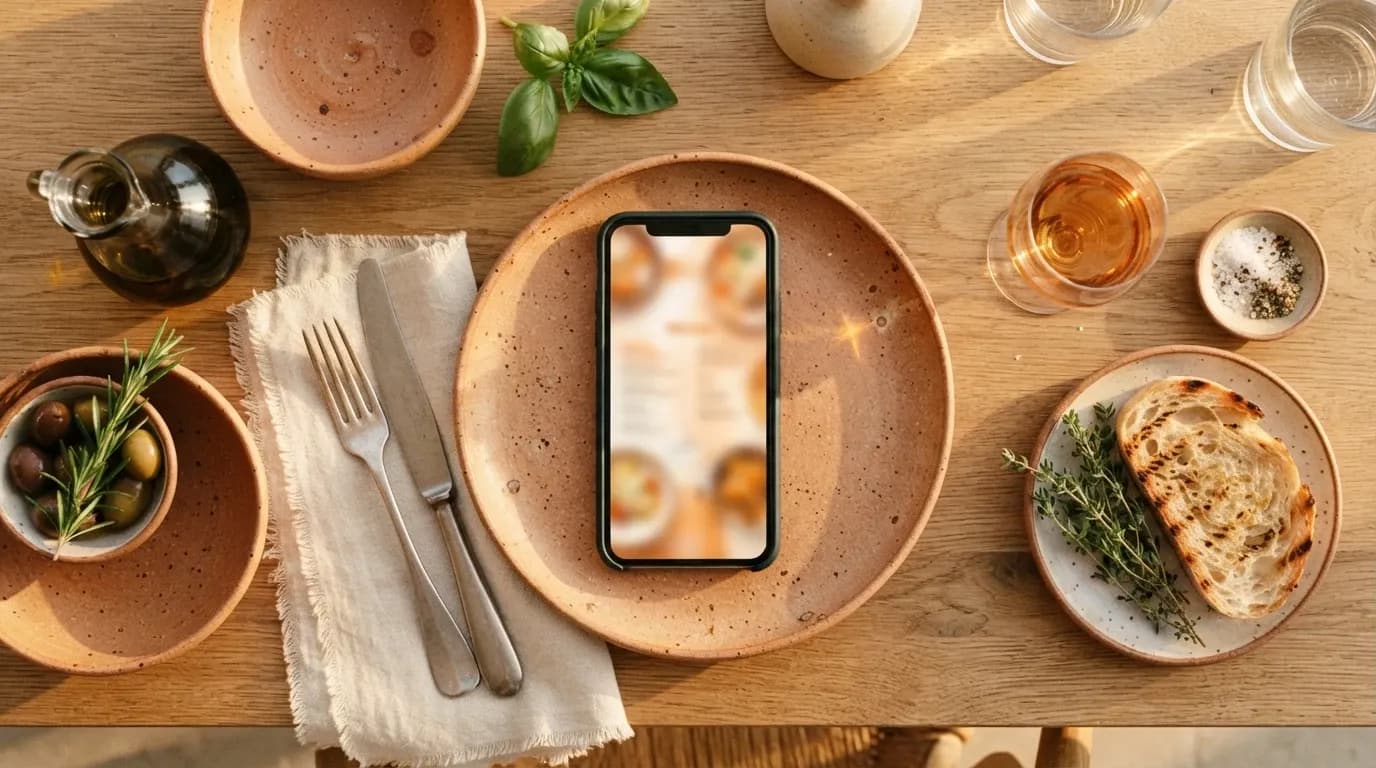
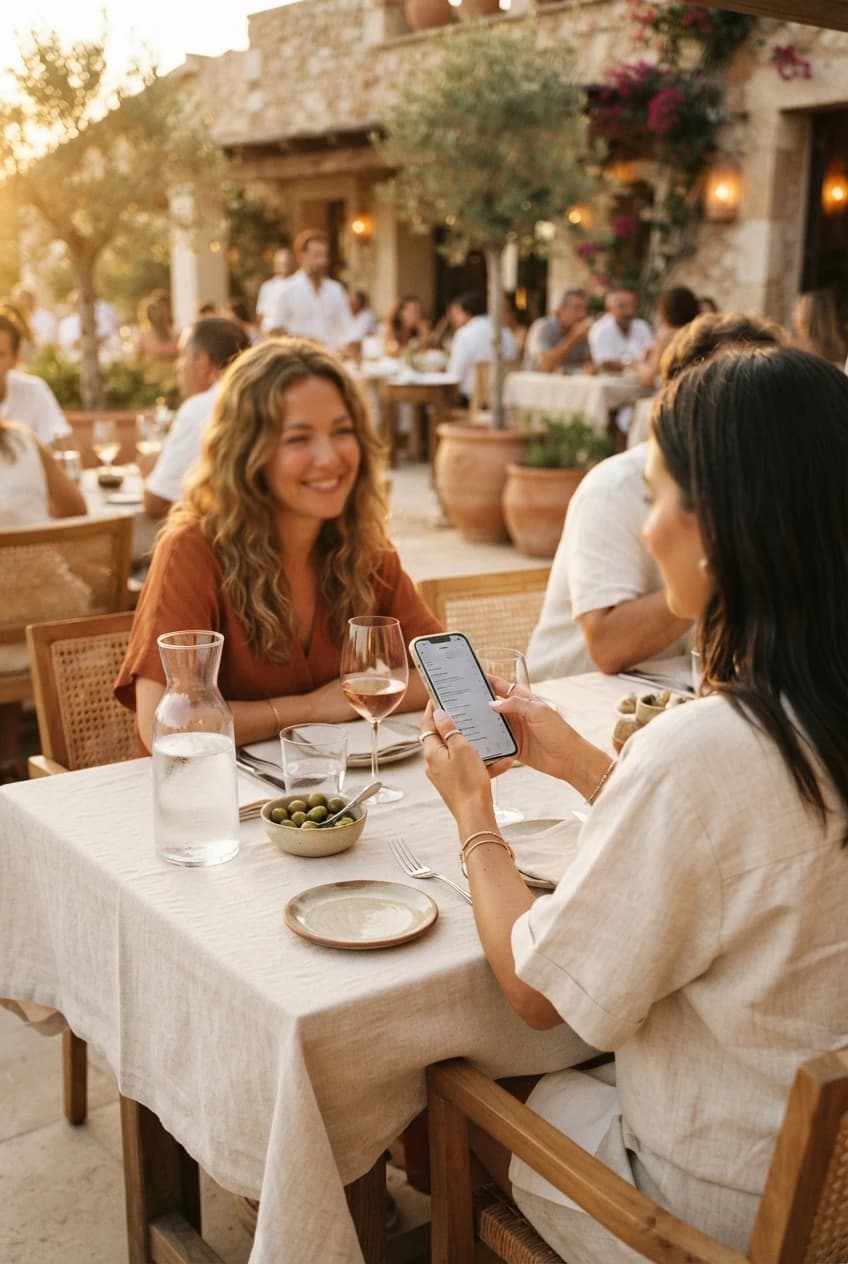
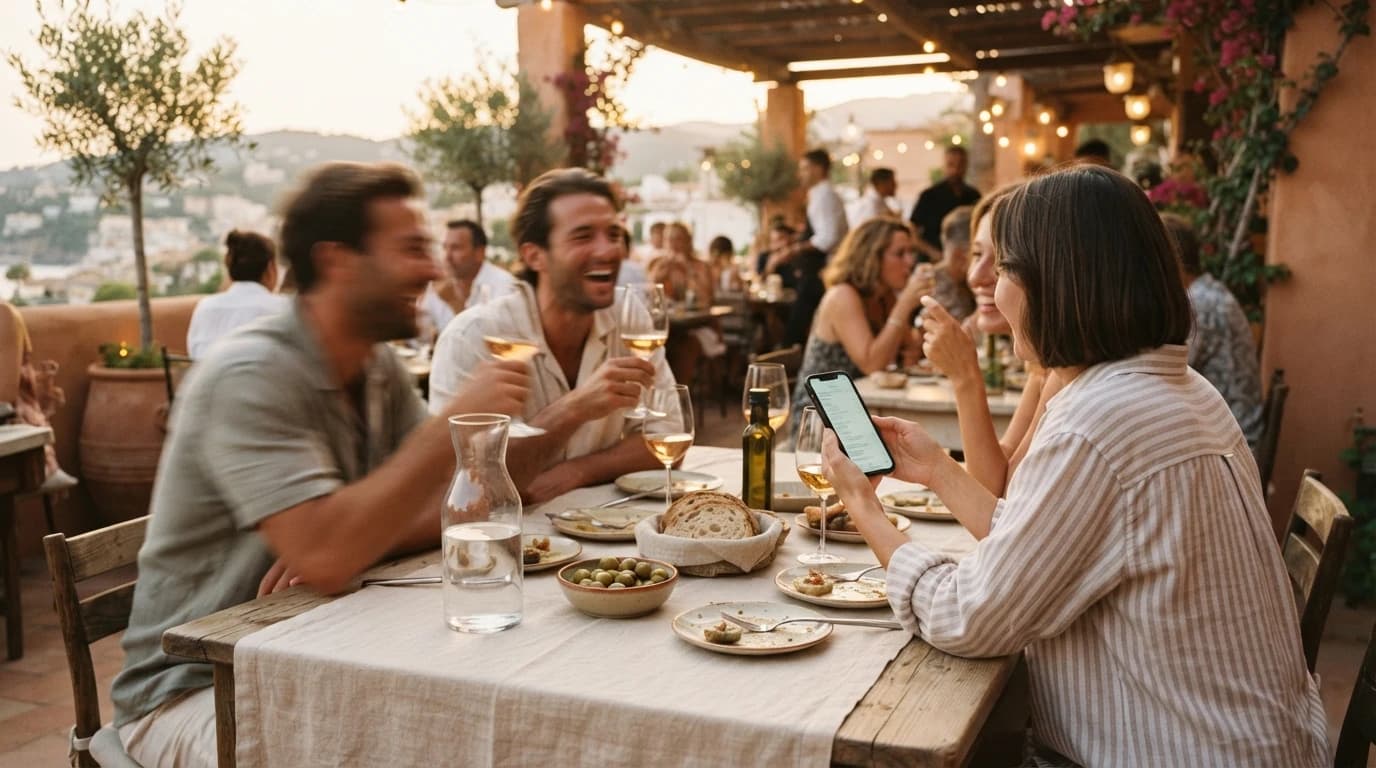
Your menu can be published in twenty-nine languages. The guest changes language on the menu itself, with a tap — nothing to scan again, nothing to download, and the same QR code on the table whatever they speak.
You choose the languages that actually serve your room. A house on the coast may run French, English, German and Italian and stop there; a hotel in a capital will want more. Adding one later changes nothing on your tables.
Cooking doesn’t translate word for word
This is where most tools fall over. A pot-au-feu is not a beef stew, a tartare is not raw minced meat, and translating a menu literally produces a page that is either comic or bleak. Ours is translated with the vocabulary of the trade — the wording a menu in that language would actually use.
And because no translation is beyond argument, you keep the hand on all of it. Every line can be reviewed and corrected, and your correction is the one that stays. Nothing goes to a guest that you have not been able to read first.
Allergens travel with the translation
The guest who avoids gluten or nuts is the one who most needs to read a menu in their own language. Allergens are listed under each dish and follow the language the guest has chosen, so nobody has to interrogate a waiter through a third language.
Frequently asked questions
Which languages are available?
Twenty-nine, from the ones you would expect around a European table to Japanese, Arabic and Mandarin. You publish only the ones you choose.
Can I correct a translation I don’t like?
Yes, line by line, and your version is the one that is published. The translation is a starting point, not a verdict.
Do guests need a separate QR code per language?
No. One code, one link. The guest switches language on the menu itself, and nothing on your tables has to change.